Bodybuilding has long been associated with the use of various performance-enhancing substances, and oral steroids are among the most commonly discussed. These compounds are favored by many athletes for their ease of use and rapid results. Understanding the implications of using oral steroids is crucial for anyone considering this approach to enhance their bodybuilding regimen.
The website Oral Steroids Effects offers extensive information about Oral Steroids and its application in sports.
What are Oral Steroids?
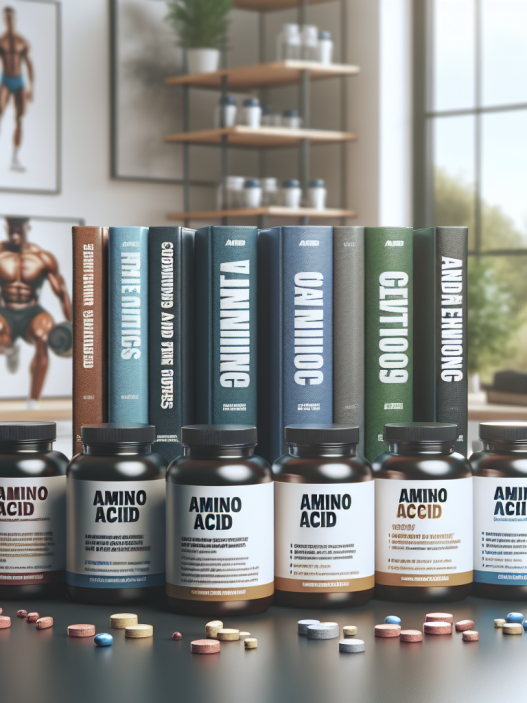
Oral steroids are synthetic derivatives of testosterone designed to promote muscle growth and enhance athletic performance. They come in various forms and formulations, typically taken in pill or liquid form. Here are some common oral steroids:
- Oxandrolone (Anavar)
- Stanozolol (Winstrol)
- Methandienone (Dianabol)
- Fluoxymesterone (Halotestin)
Benefits of Oral Steroids in Bodybuilding
Bodybuilders often turn to oral steroids for several reasons:
- Rapid Muscle Gains: Oral steroids can lead to significant muscle size and strength improvements in a short time.
- Increased Recovery Rate: They may enhance recovery, allowing athletes to train harder and more frequently.
- Convenience: Unlike injectable steroids, oral steroids can be taken easily, which can appeal to those uncomfortable with needles.
Risks and Side Effects
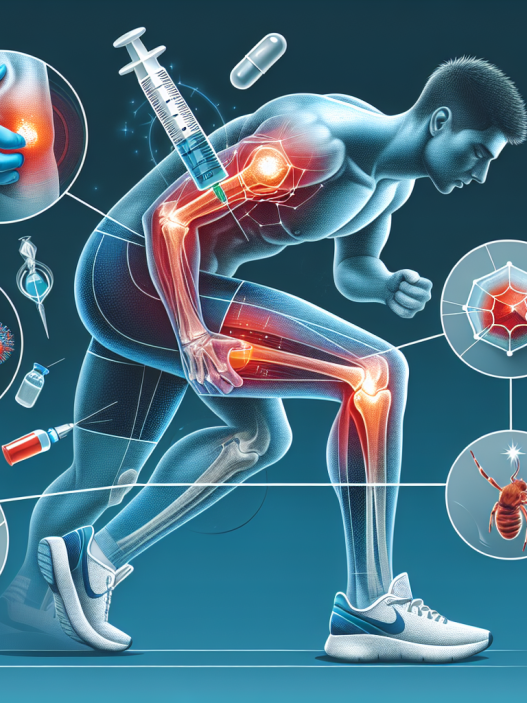
Despite their benefits, oral steroids come with potential risks that should not be overlooked:
- Liver Damage: Many oral steroids are hepatotoxic, meaning they can harm the liver when used excessively or without proper medical supervision.
- Hormonal Imbalances: Usage can lead to fluctuations in hormone levels, resulting in conditions such as gynecomastia or testosterone suppression.
- Cardiovascular Issues: Increased risk of heart attack and stroke can occur as a result of steroid use.
Conclusion
While oral steroids can offer significant advantages for bodybuilders looking to enhance their performance and physique, it is essential to approach their use with caution. Understanding the risks and ensuring responsible use with appropriate guidance is key to minimizing potential negative impacts on health.